Powered by ITINE
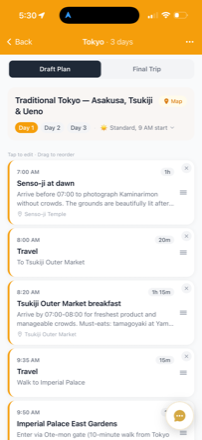
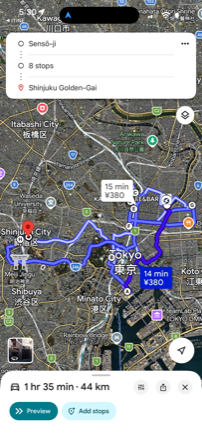
Get this guide as a tappable itinerary
Day-by-day plan, audio tours, and one-tap Google Maps — completely free.
3-Day Itinerary
3 Days in Varanasi: Ultimate Itinerary with Sarnath Day Trip
Three days gives you the Varanasi that most travelers miss. Beyond the iconic boat rides and Ganga Aarti, you will explore ancient silk-weaving workshops, eat your way through the old city's legendary food lanes, visit the Buddhist pilgrimage site of Sarnath, cross the river to Ramnagar Fort, and discover the quieter ghats where the real soul of the city resides.
Local Tip
Ghats & the Spiritual Heart of Varanasi
Sunrise, Sacred Temples & the Grand Aarti · ~7–9 km walking · ~₹1,500 – ₹3,000
Your first day captures the soul of Varanasi — from the golden silence of a sunrise boat ride to the roaring fire ceremony at dusk. Walk the ghats where pilgrims have bathed for millennia, receive darshan at the holiest Shiva temple in India, and witness the legendary Ganga Aarti.
morning
Sunrise on the Ganga
Extended Sunrise Boat Ride from Assi Ghat
Begin your three-day Varanasi immersion at Assi Ghat with a traditional wooden rowing boat. With three days ahead, take the longer route — from Assi Ghat upstream past all 84 ghats to Raj Ghat near the railway bridge, and back. As the sky turns from indigo to amber, watch pilgrims descend the ancient steps for their morning ablutions, wrestlers training at ghat-side akharas, priests beginning fire rituals, and the eternal smoke curling from Manikarnika's cremation pyres.
Subah-e-Banaras at Assi Ghat
Return to Assi Ghat and witness the Subah-e-Banaras morning ceremony — a community ritual combining sunrise aarti with classical music and yoga demonstrations. Far more intimate than the grand evening spectacle, this ceremony draws locals, sadhus, students, and the occasional wandering cow. Join the seated crowd as musicians play morning ragas and the Ganga gleams in the new light.
Banarasi Breakfast at Kachori Gali
Head to Kachori Gali near Dashashwamedh Ghat for the quintessential Varanasi breakfast. Start with piping hot dal kachori served with spicy aloo sabzi — crispy, flaky, and utterly addictive. Pair it with jalebis dripping in saffron syrup. Between November and February, the real treasure is malaiyyo — an ethereal cloud of saffron-cardamom milk foam served in earthen bowls, a delicacy that exists nowhere else on earth.
afternoon
Temples & the Ancient Ghats
Kashi Vishwanath Temple Darshan
Visit the holiest Shiva temple in India, one of the twelve Jyotirlingas. Enter through the magnificent Kashi Vishwanath Corridor — a modern transformation connecting the ghats directly to the temple precinct with wide walkways, restored heritage buildings, and 23 newly rebuilt temples. The original 18th-century temple is compact, but the spiritual intensity inside the sanctum during darshan is overwhelming and unlike anything else in India.
Southern Ghat Walk: Kedar Ghat to Assi
With three days, explore the quieter southern ghats that most tourists skip. Walk from Kedar Ghat — with its distinctive red-and-white striped walls and the Kedareshwar Shiva temple — southward past Harishchandra Ghat (the smaller cremation ghat), Hanuman Ghat, Shivala Ghat, and down to the artists' quarter near Tulsi Ghat. This stretch has a residential, authentic energy absent from the touristy northern section.
Lunch: Chaat Trail at Godowlia
Head to Godowlia Chowk for a legendary chaat lunch. Start at Deena Chaat Bhandar for the signature tamatar chaat — a spicy, tangy tomato concoction unique to Varanasi. Follow with chena dahi vada and tikki chaat. Next door, Kashi Chaat Bhandar serves rival versions. This is Varanasi-style grazing — order one plate at a time and eat standing.
Afternoon Rest at a Ghat Cafe
OptionalThe relaxed pace of a 3-day itinerary means you can rest properly. Take a long break at Pizzeria Vaatika Cafe or Brown Bread Bakery — both offer shaded rooftop seating with Ganga views. Order a masala chai or fresh lime soda, charge your devices, and simply watch the river traffic for an hour.
evening
The Grand Ganga Aarti
Blue Lassi Shop
Make a pilgrimage to the legendary Blue Lassi Shop near Manikarnika Ghat. This tiny institution has served impossibly thick, creamy lassi in handmade clay kulhads since 1925. The walls are wallpapered with decades of traveler notes and Polaroid photos. Order the saffron-pistachio lassi — the house signature — or try the seasonal pomegranate (winter) or mango (summer).
Ganga Aarti at Dashashwamedh Ghat (from the Steps)
The grand finale of day one. Reach Dashashwamedh Ghat 45 minutes early to claim a prime spot on the ghat steps. Seven priests in matching silk dhotis perform a synchronized fire ritual on raised platforms, swinging massive multi-tiered brass lamps weighing over 15 kg each. Conch shells, bells, drums, and hundreds of chanting voices build to a crescendo as flames dance against the darkening sky. Watch from the steps tonight — save the boat perspective for day two.
night
First Night Dinner
Dinner at a Ghat-Side Rooftop
End day one at one of Varanasi's atmospheric rooftop restaurants. Dosa Cafe at Munshi Ghat serves excellent South Indian food with panoramic river views. The Open Hand Cafe near Shivala Ghat offers multicuisine options in an intimate setting. The lamp-lit ghats at night, with boats carrying flickering diyas across the dark water, set the scene for your first evening in the city.
Old City: Temples, Food & Silk Heritage
The Sensory Varanasi: Devotion, Food Trails & Handloom Craft · ~6–8 km walking · ~₹1,500 – ₹3,500
Day two is about the senses — the taste of Varanasi's legendary street food, the shimmer of handwoven Banarasi silk, the devotional energy of neighbourhood temples, and the sounds of classical music echoing through old city lanes. This is the Varanasi that locals live in every day.
morning
Temple Circuit & Food Trail
Durga Temple & Tulsi Manas Temple
Start with the striking red Durga Temple (Monkey Temple) — one of the most architecturally distinctive temples in Varanasi with its Nagara-style spire and the large Durga Kund pond beside it. The resident langur monkeys are fearless and numerous. Adjacent, the Tulsi Manas Temple is a modern marble marvel with the entire Ramcharitmanas (Tulsidas's retelling of the Ramayana) engraved on its walls in Hindi and Sanskrit.
Sankat Mochan Hanuman Temple
Walk to Sankat Mochan, one of Varanasi's most beloved temples. Founded by the saint-poet Tulsidas in the 16th century, this Hanuman temple has a deeply genuine devotional atmosphere — the chanting here feels real rather than performative. The besan laddoo prasad is legendary, widely considered the finest temple food in Varanasi. The surrounding neighbourhood near BHU is leafy and peaceful.
Grand Food Trail: Ram Bhandar to Godowlia
The definitive Varanasi food experience — a 2.5-hour walking trail through the old city's most legendary food institutions. Begin at Ram Bhandar near Thatheri Bazaar for their poori-sabzi (served since 1935). Walk through the narrow lanes past brass workshops, stopping for kulhad chai. Continue to Kachori Gali for a second round of kachori-sabzi. Visit Deena Chaat Bhandar at Godowlia for tamatar chaat. End with fresh rabri from the milk shops near Vishwanath Gali.
afternoon
Silk Heritage & Shopping
Banarasi Silk Weaving Workshop Visit
Visit a traditional handloom silk-weaving workshop in the Muslim weaver neighbourhoods of Madanpura or Lohta. Watch master weavers create intricate Banarasi brocade saris on pit looms — a single sari can take 15 days to 6 months depending on the zari (gold thread) complexity. The weavers explain the process from raw silk thread to finished brocade, including the differences between Kadhua, Jangla, and Tanchoi weaves. This is a GI-tagged living heritage craft.
Shopping: Vishwanath Gali & Thatheri Bazaar
Browse the bustling old city markets at a relaxed pace. Vishwanath Gali is the main artery for silk stoles, scarves, and dress materials. Thatheri Bazaar specializes in traditional brassware — temple bells, oil lamps, decorative diyas, and characteristic Banarasi brass vessels. Small workshops in the lanes near Chowk produce wooden toys and traditional lacquerware.
Thandai at Madhur Jalpan
Cool down at Madhur Jalpan near Godowlia with a glass of traditional Banarasi thandai — a chilled milk drink infused with almonds, saffron, rose petals, black pepper, and a proprietary spice blend. Varanasi is the undisputed thandai capital of India and Madhur Jalpan has perfected the recipe over decades.
evening
Classical Music & Aarti from the River
Classical Music at International Music Centre Ashram
OptionalVaranasi is the spiritual home of Hindustani classical music — the city of Bismillah Khan, Ravi Shankar, and Girija Devi. The International Music Centre Ashram near Dashashwamedh occasionally hosts afternoon concerts and offers short introductory sessions on sitar, tabla, and flute. Even without a formal performance, the ashram courtyard — with students practising behind every door — is magical.
Banarasi Paan at Keshav Tambool Bhandar
No Varanasi visit is complete without authentic Banarasi paan. Keshav Tambool Bhandar near Godowlia has operated since the 1940s. Order a meetha paan — a betel leaf filled with gulkand (rose petal jam), supari, fennel seeds, cardamom, and edible silver leaf. The burst of complex flavours is extraordinary and uniquely Banarasi.
Ganga Aarti from a Boat
Tonight, experience the Ganga Aarti from the river — a completely different perspective from yesterday's ghat-side view. Hire a boat and watch the ceremony from the water. From this vantage point, you see the full panorama: all five priests silhouetted against the fire, the crowd on the steps, lamps reflected in the dark river, and smoke rising against the sky. The gentle rocking of the boat adds a meditative dimension.
night
Day 2 Dinner
Dinner: Litti Chokha at Baati Chokha
Head to Baati Chokha near Lanka for the quintessential Banarasi dinner. This rustic village-themed restaurant serves charcoal-roasted litti (wheat dough balls stuffed with sattu) with smoky chokha (mashed roasted aubergine, tomato, and potato), all liberally doused in ghee. Add a side of baingan bharta with mustard oil and finish with thick rabri for dessert. Satisfying, warming, and deeply local.
Sarnath Day Trip & Ramnagar Fort
Buddhist Heritage, Royal History & Farewell · ~4–6 km (plus transport to Sarnath and Ramnagar) walking · ~₹2,000 – ₹3,500
Day three takes you beyond the ghats to explore two extraordinary sites: Sarnath — the deer park where Gautama Buddha delivered his first sermon after enlightenment — and Ramnagar Fort, the crumbling 18th-century palace of the Maharaja of Varanasi on the opposite bank of the Ganga. Return for a final sunset and farewell to the city.
morning
Sarnath: The Buddhist Pilgrimage
Final Sunrise Walk Along the Ghats
Use your last morning to revisit the ghats at dawn — on foot this time rather than by boat. Walk from Assi Ghat northward along the water's edge as the city wakes. Watch wrestlers training at Tulsi Ghat's akhara (traditional gymnasium), dhobis laying out clothes on the steps, flower sellers assembling garlands for morning pujas. After two days, the ghats feel familiar — you recognize faces, you know which chai vendor to go to. This is the Varanasi that rewards staying.
Quick Breakfast: Poori-Sabzi at Ram Bhandar
Fuel up at Ram Bhandar in Thatheri Bazaar before heading to Sarnath. Hot, fluffy pooris with rich aloo sabzi, served on steel plates in a no-frills dining hall. The shop has been serving the same recipe since 1935. Add a side of jalebi and rabri for the road.
Sarnath: Where Buddha First Taught
Take an auto-rickshaw to Sarnath, 10 km north of Varanasi. This is the Deer Park (Isipatana) where Gautama Buddha delivered his first sermon — the Dhammacakkappavattana Sutta — to his first five disciples after attaining enlightenment at Bodh Gaya. Spend a full morning exploring: the massive Dhamek Stupa (5th century CE, 43 meters tall, with exquisite carved geometric bands), the Dharmarajika Stupa ruins, the Ashoka Pillar base, and the deer park itself — still home to spotted deer grazing among ancient monastery foundations.
Sarnath Archaeological Museum
One of the finest site museums in India, housing treasures excavated from the surrounding ruins. The crown jewel is the original Lion Capital of Ashoka — four roaring lions atop an abacus featuring an elephant, horse, bull, and lion separated by dharma wheels. This 3rd-century BCE sculpture became India's national emblem. Other highlights include a stunning 5th-century Gupta-era standing Buddha in red sandstone — considered one of the finest Buddha sculptures ever created.
Mulagandhakuti Vihara & Thai Temple
Visit the modern Mulagandhakuti Vihara temple built in 1931 by the Mahabodhi Society. The interior features stunning wall frescoes by Japanese artist Kosetsu Nosu depicting scenes from the Buddha's life. Nearby, the Thai Temple (Wat Thai Sarnath) with its ornate gold decorations and the Tibetan Temple with prayer wheels offer different cultural perspectives on Buddhism.
afternoon
Ramnagar Fort & Across the River
Lunch Near Sarnath
Have lunch at one of the restaurants near the Sarnath entrance. The Tibetan-run restaurants serve excellent momos (steamed dumplings) and thukpa (noodle soup) — a welcome change from the Varanasi diet. Alternatively, the Jain restaurant near the Thai temple serves clean vegetarian thalis.
Ramnagar Fort & Saraswati Bhavan Museum
Cross the Ganga to the eastern bank to visit Ramnagar Fort — the 18th-century sandstone palace that is still the official residence of the Maharaja of Varanasi (Kashi Naresh). The fort sits dramatically on the riverbank and houses the Saraswati Bhavan Museum with its eclectic, fascinating collection: vintage automobiles, an armoury of swords and muskets, an 18th-century astronomical clock that shows time, day, month, and astronomical data, ivory chess sets, royal palanquins, and brocade ceremonial robes.
BHU Campus & New Vishwanath Temple
OptionalOn the way back from Ramnagar, stop at Banaras Hindu University — one of Asia's largest residential universities with tree-lined avenues and colonial-era buildings. Visit the New Vishwanath Temple (Birla Temple) within the campus — a grand white marble temple deliberately open to all faiths, castes, and nationalities, in contrast to the restricted original. If time allows, the Bharat Kala Bhavan museum on campus has a world-class collection of miniature paintings and ancient sculptures.
evening
Final Sunset & Farewell to Varanasi
Final Golden Hour at Assi Ghat
Return to Assi Ghat for your last sunset in Varanasi. After three days, this ghat will feel like home — you will recognize the chai vendor, the sadhu who sits at the same spot each evening, the stray dogs lounging on the warm steps. Order a final kulhad chai and watch the sun drop behind the far bank as the river turns liquid gold. The evening bells begin to ring across the city. This is the memory you will carry.
Farewell Aarti at Assi Ghat
OptionalEnd your three days the way Varanasi ends every day — with an aarti. Instead of the grand spectacle at Dashashwamedh, attend the smaller, more intimate evening aarti at Assi Ghat tonight. With fewer tourists and a neighbourhood-temple energy, this quieter ceremony feels like a personal farewell from the city. Or if you prefer the grand version one final time, Dashashwamedh is a 15-minute walk north.
night
Farewell Dinner
Farewell Dinner at Brown Bread Bakery
End your Varanasi journey at Brown Bread Bakery near Assi Ghat — a social enterprise training disadvantaged women in professional baking and cooking. The rooftop overlooks the Ganga, and the menu spans wood-fired pizzas, fresh whole-wheat breads, continental mains, and Indian classics. Their desserts — especially the chocolate cake and apple crumble — are a welcome finale after three days of intense street food. Buy a loaf of their signature bread for the journey out of Varanasi.
Frequently Asked Questions
Continue Exploring
2-Day Itinerary
Only have 2 days? Here's a tighter version of the Varanasi experience.
Sarnath Day Trip
Full guide to Sarnath — Dhamek Stupa, museum & how to get there.
Ghats Guide
All 84 ghats — from Dashashwamedh to Assi and everything between.
Best Time to Visit
Month-by-month breakdown, festivals & weather tips for planning.